02- Sector Analysis
The sector I have chosen to analyse is Digital Design, with a focus on User Interface (UI) and User Experience (UX). It operates at the intersection of visual communication, technology, and user interaction, encompassing areas such as web design, branding, motion, and digital media.
As organisations increasingly prioritise digital platforms, design has evolved from a purely visual function into a strategic tool for improving usability, accessibility, and overall user experience. This positions digital design as a key driver within both the creative industries and the wider digital economy.
The following are two current job postings for a UI/UX role in Singapore which I have researched and compared to gain further insights.
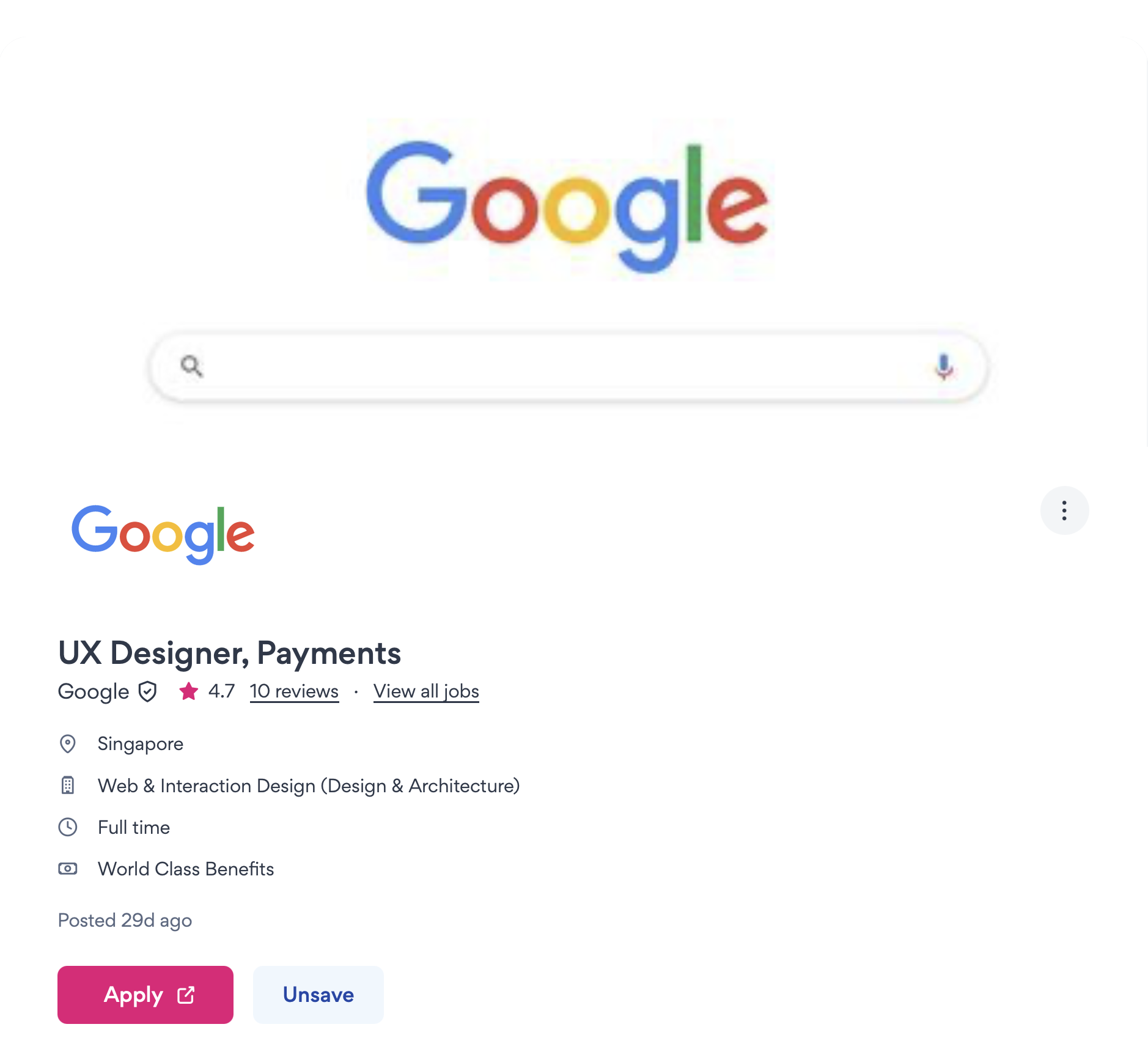
UX Designer, Payments (Google)- April 2026



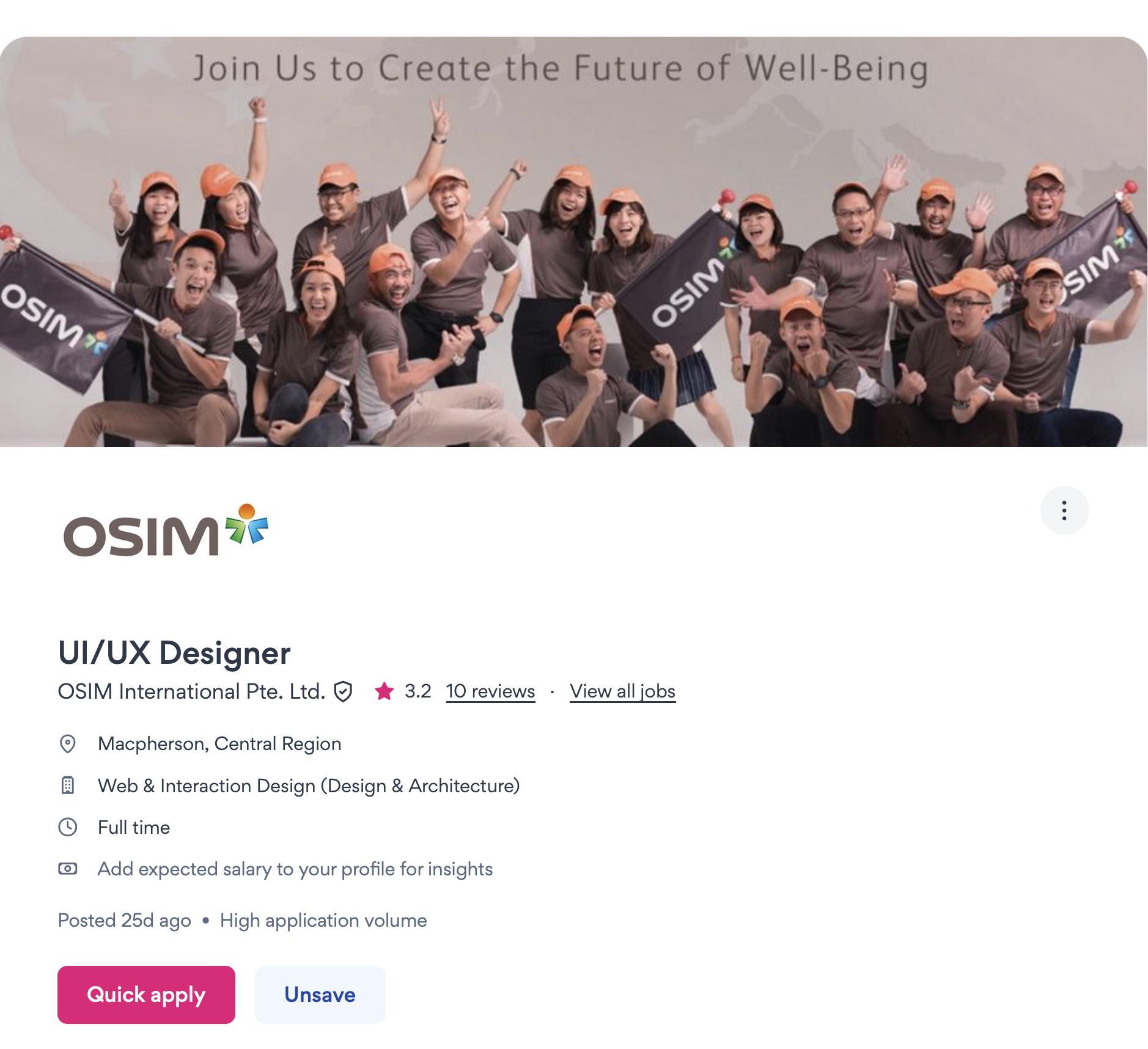
UI/UX Designer (OSIM)- April 2026
Despite these differences, both roles reinforce the importance of core competencies such as user-centred thinking, design systems, communication, and collaboration. Google’s role reflects a highly structured, system-driven environment focused on scalability and depth, while OSIM emphasises adaptability, speed, and hands-on execution within a more commercially driven context.
This highlights how the role of designers has evolved beyond visual output, requiring them to contribute to problem-solving, systems thinking, and strategic decision-making within complex, real-world contexts.
This comparison shapes my direction as a designer, where I aim to develop both structured, system-driven thinking and the flexibility to adapt across different creative environments.

Inspiring Designer
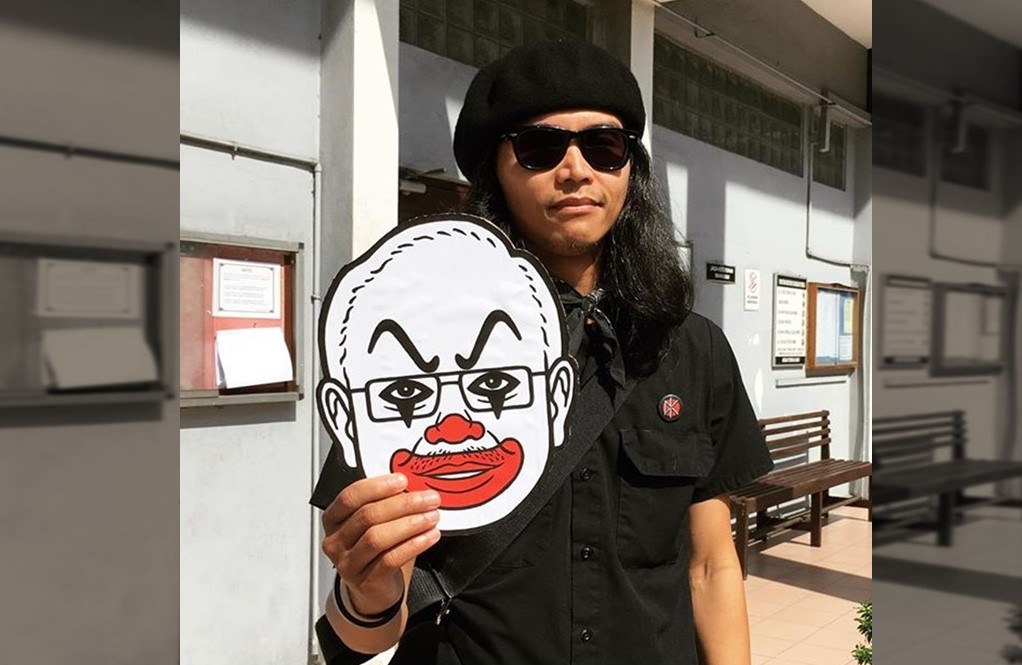
Fahmi Reza holding a graphic illustration that reflects his signature approach- using bold, direct imagery to communicate political ideas
Fahmi Reza, a Malaysian graphic designer and activist, has influenced how I approach design beyond purely visual outcomes. His work shows how design can communicate complex ideas clearly while engaging with real-world issues.
This has shaped my perspective on design as a purposeful tool, where clarity, intention, and message are as important as aesthetics. It has influenced me to prioritise meaning in my work, ensuring that my designs not only look refined but also communicate effectively to my audience.
PESTEL Analysis
Using a PESTEL framework, key challenges within the digital design sector highlight how designers must adapt strategically.






03- Industry Insights
Independent Research: AI & the Evolving Role of UX Designers
I conducted research exploring how AI is reshaping UX design in 2026. Industry data shows AI is no longer experimental but integrated into everyday workflows. A Designlab survey found nearly 60% of designers use AI regularly, with many reporting reduced time on routine tasks and faster production. Use of AI in prototyping and wireframing has also increased significantly.
However, this shift is redefining what makes designers valuable. Nielsen Norman Group highlights that as interfaces become easier to produce, UI alone is no longer enough. Instead, emphasis is shifting towards research-informed thinking, systems design, and strategic problem-solving (Moran et al., 2026). This suggests that designers are not being replaced, but are expected to take on more strategic roles, where human judgement, critical thinking, and decision-making become increasingly important.



Internship Experience & Insights
from Senior Designers
My internship at iFAST, a Singapore-based financial technology company specialising in investment platforms and wealth management services, provided not only hands-on UI/UX experience but also valuable industry insights through guidance and discussions with my supervisor and senior designers. Their perspectives helped bridge the gap between academic learning and real-world expectations, giving me a clearer understanding of how design operates in a professional context.
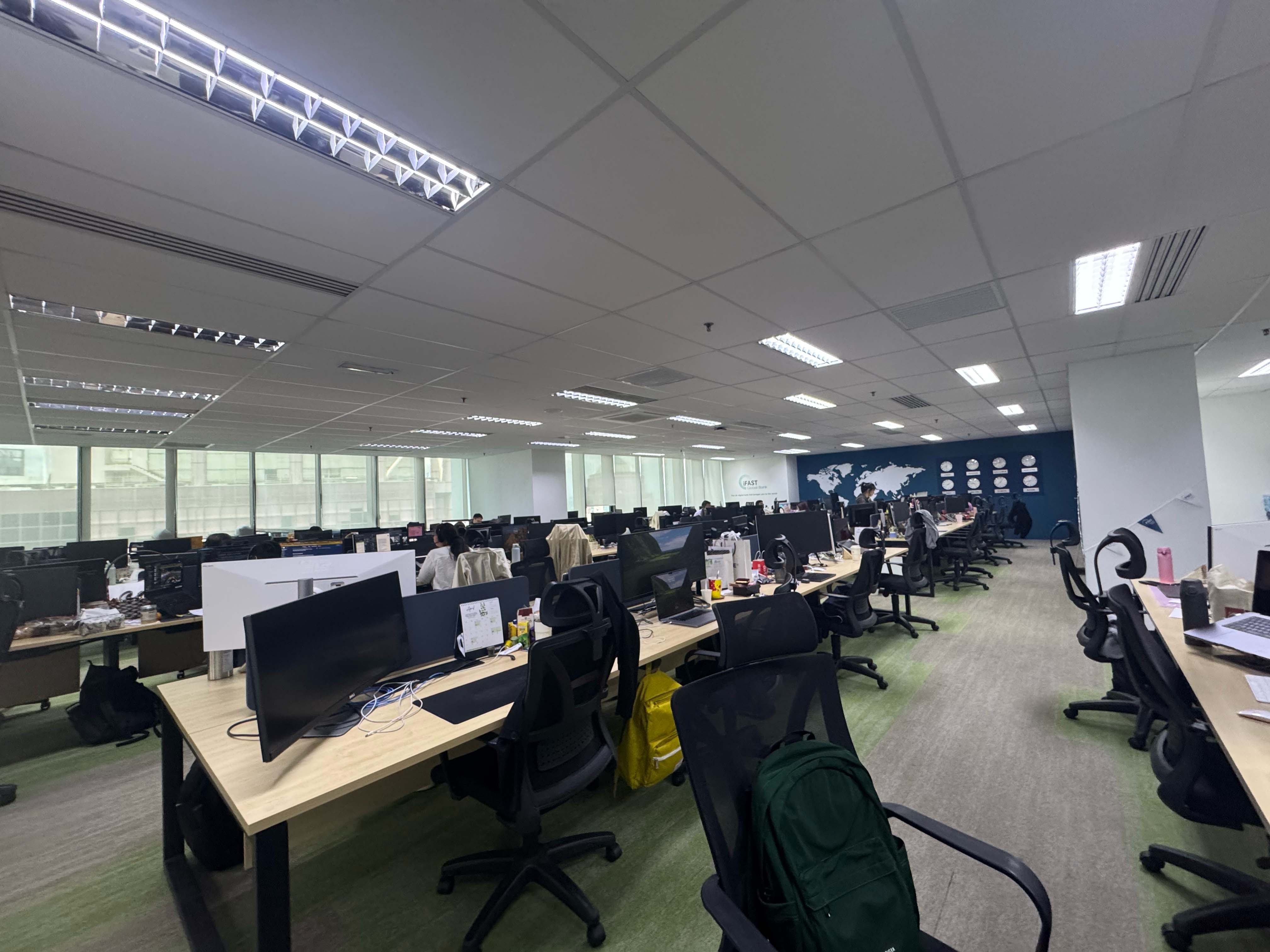
Internship environment at iFAST, where I worked closely with a team of UI/UX designers and developers within a corporate setting.
Systems Thinking & Collaboration
A key responsibility throughout my internship was managing and organising the Figma Design Language System (DLS). Through this, my seniors emphasised that design systems are fundamental for maintaining consistency, scalability, and efficiency across large products. This shifted my understanding of design from creating individual interfaces to building structured systems that support long-term development.
Regular team meetings, held weekly or twice a week, reinforced the importance of collaboration and feedback. My seniors highlighted that these sessions are essential for aligning the team, refining ideas, and improving outcomes through iteration. I found these feedback loops especially valuable, as they prevented me from feeling lost and helped me continuously improve my work.
Challenges & Opportunities for
Junior Designers
My supervisor also stressed the importance of asking questions, noting that one of the biggest challenges for junior designers is hesitation in seeking clarification. This encouraged me to be more proactive in communication, helping me learn faster and avoid unnecessary mistakes.
In addition, I was assigned to research design trends and emerging tools, with my team emphasising the importance of staying up-to-date in a rapidly evolving industry. My team lead also pointed out that as a younger designer, I had an advantage in keeping up with new tools and trends. This reframed my perspective, showing that junior designers can contribute value through adaptability and awareness of new technologies. I explored AI tools, evaluated their relevance, and reviewed updates from events such as Figma Config, reinforcing the need to continuously adapt and assess new technologies.
Industry Awareness & Real-World Workflows
Another key learning experience was being guided through the full handoff process. My supervisor walked me through preparing documentation, submitting requests, and coordinating with the IT team. This highlighted the importance of cross-department collaboration and showed me that UI/UX designers must communicate clearly with developers and stakeholders to ensure successful implementation.
Overall, these experiences reshaped my expectations of the industry. UI/UX is not just about visual design, but also systems thinking, collaboration, and strategic decision-making, which has influenced me to think more holistically, communicate more confidently, and consider how design functions within a larger organisational context.
SWOT Analysis
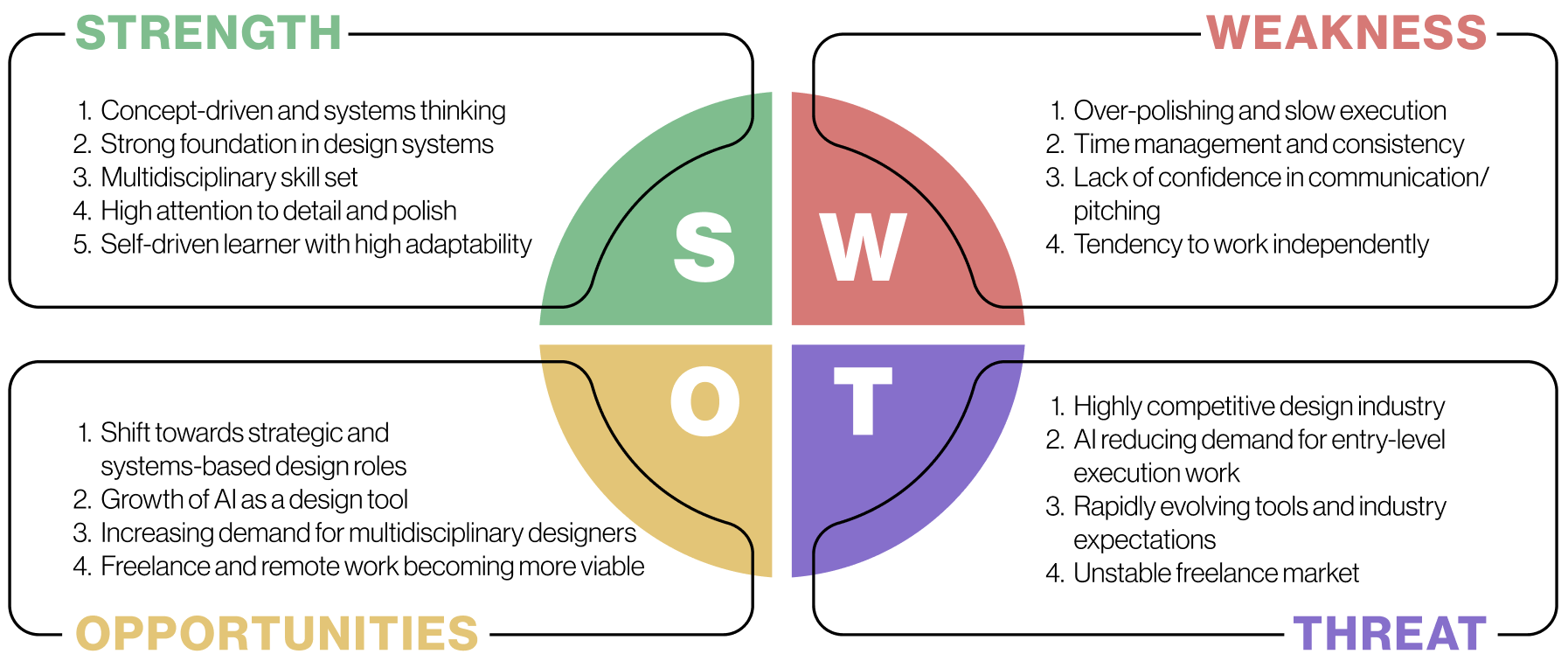
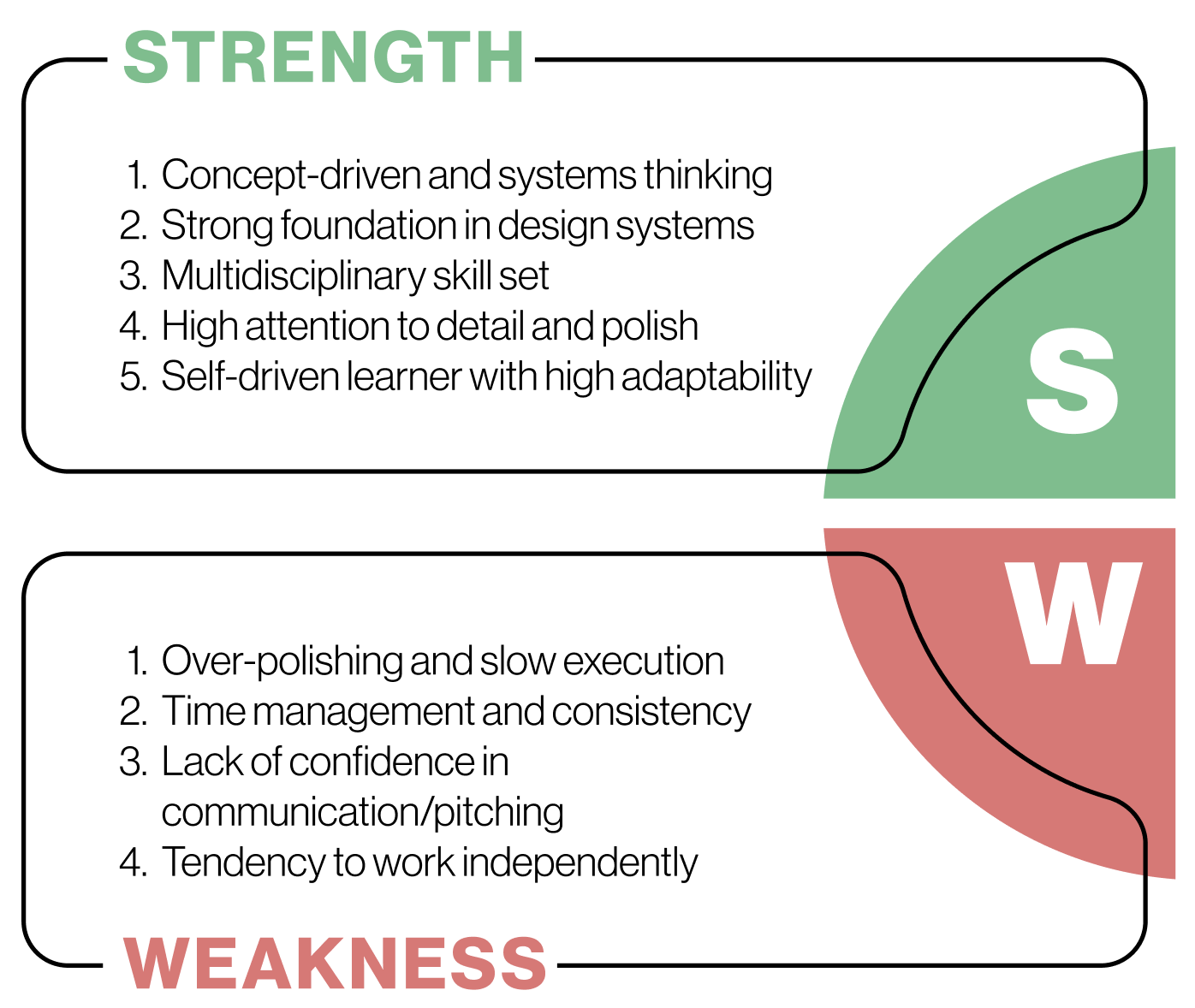
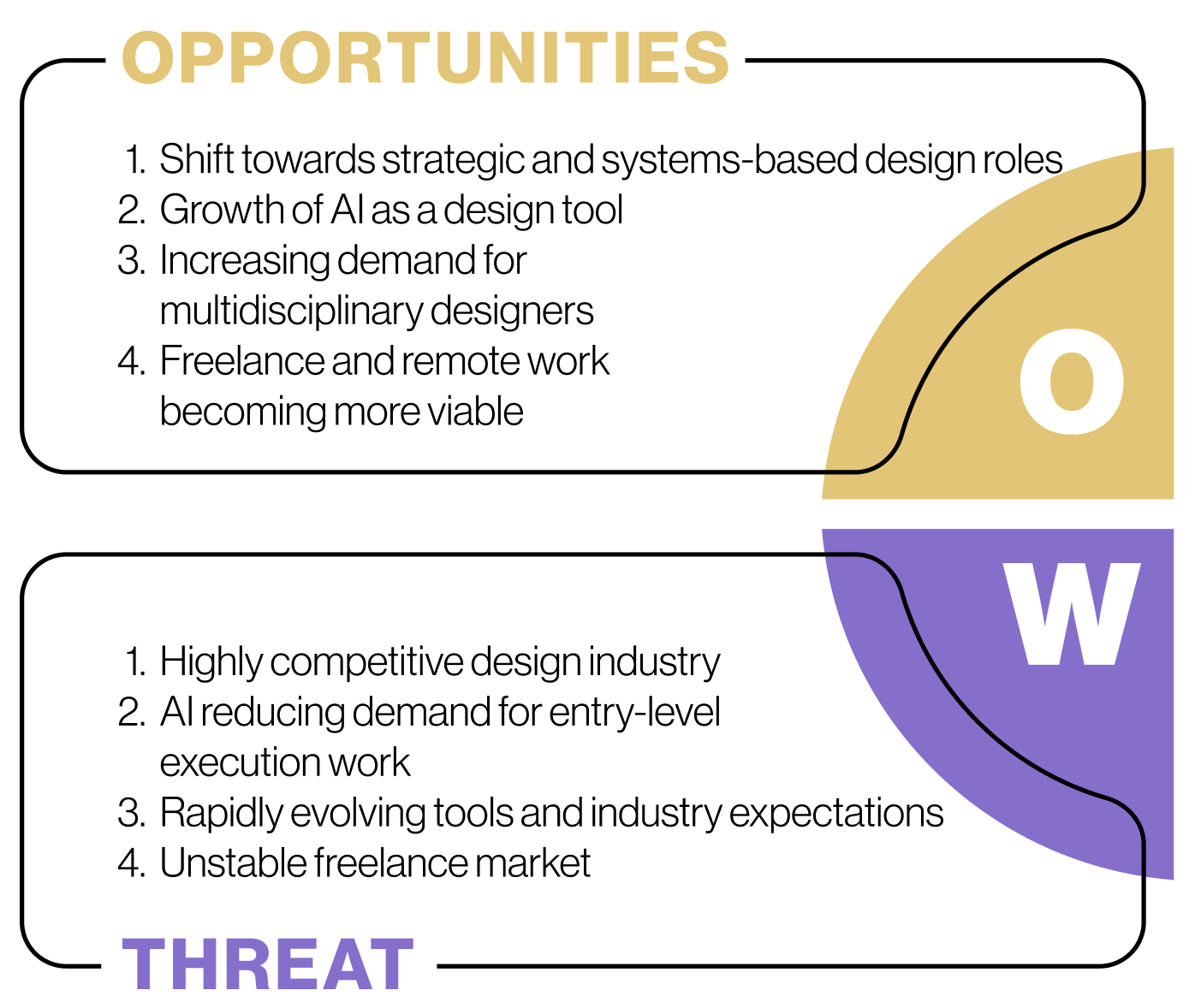
These industry insights validate my personal SWOT analysis. My strengths in concept-driven thinking, adaptability, and working with design systems align with the industry’s shift towards more strategic, systems-based roles. At the same time, the rise of AI highlights both opportunities to enhance efficiency and threats to entry-level execution work, reinforcing the need to focus on higher-level thinking and problem-solving. These insights also reflect my areas for improvement, particularly in communication and confidence when presenting ideas.
Overall, both my research and internship experience confirm my direction as a designer who focuses on systems, strategy, and creating meaningful, well-structured user experiences.